dailynewsnblog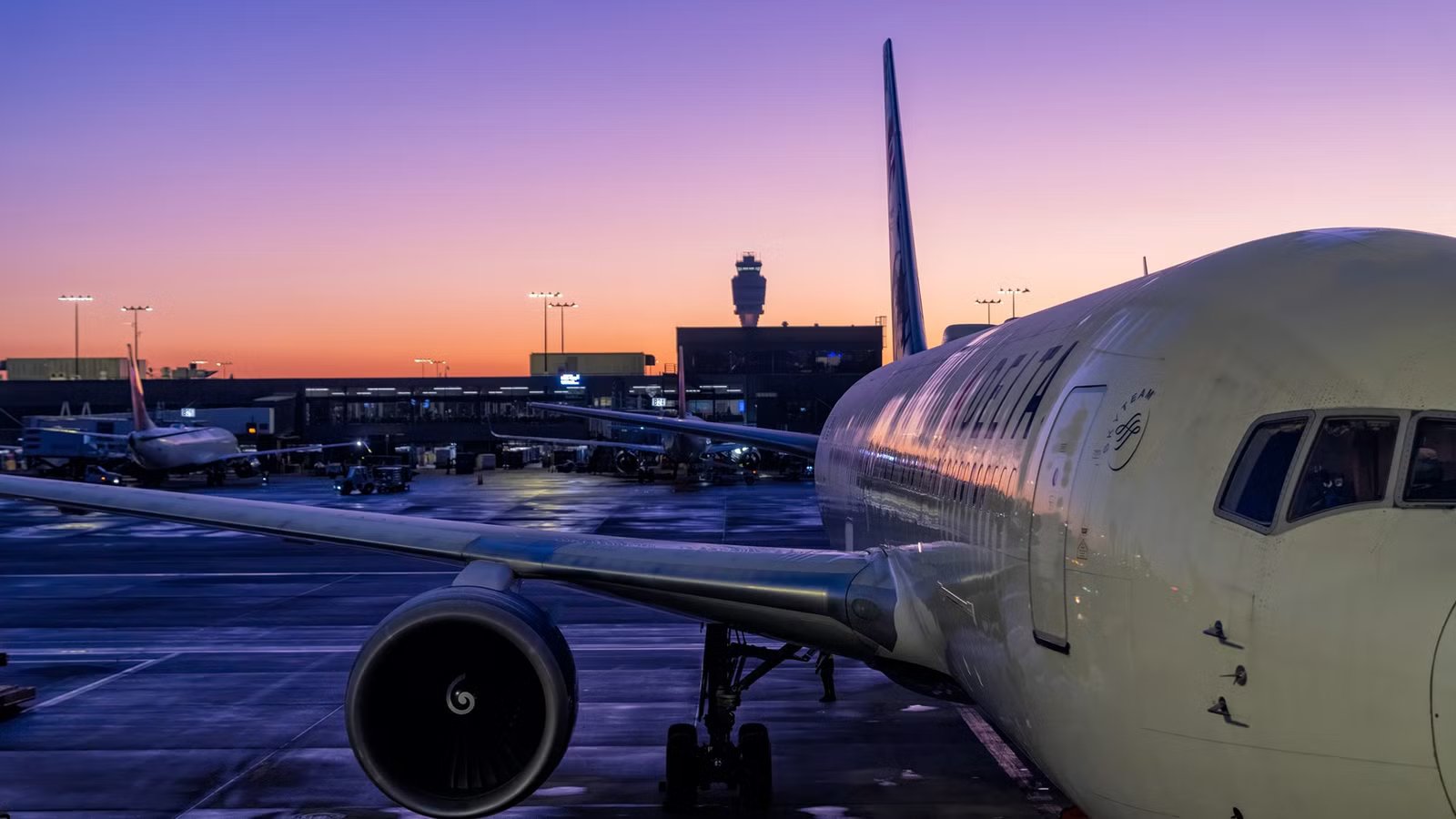
An additional screening point has been established for travelers arriving back in the United States from Ebola-stricken countries. Checks will now be available at  Hartsfield-Jackson Atlanta International Airport (ATL) after the CDC (Centers for Disease Control and Prevention) added the airport to its Ebola screening program. This comes just after Washington Dulles International Airport (IAD) was designated as the screening point for US citizens potentially exposed to the Ebola virus, alongside Houston.
Additional public health checks are a component of the CDC’s Ebola approach, including overseas exit examinations, illness reporting from airlines, and additional post-arrival public health monitoring. While there have been no confirmed cases of Ebola in the United States, the number infected continues to grow in the Democratic Republic of Congo (DRC), including 82 cases, 171 suspected deaths, and 750 suspected cases of the Bundibugyo strain, as reported by Reuters.
A Second Screening Point Now Available At The World’s Busiest Airport

Atlanta remains the busiest airport in the world by number of passengers served. The airport is a major operator for domestic and international services to and from the US East Coast, and is the home for SkyTeam carrier Delta Air Lines. Effective from May 22, at 11:59 PM, Atlanta is now set up to support Washington Dulles with expanded public health screening for travelers returning home to the United States.
Atlanta is no stranger to these processes, having previously offered enhanced public health examinations, and these types of public health checks have established procedures in place. The CDC describes this type of screening as another layer of approach that monitors illness reporting and post-arrival public-health monitoring.
This offering is not for monitoring of all travelers; instead, it is a public health targeted checks point that is tied to recent travel to affected countries by the Ebola virus.
Dulles, Atlanta, And Houston Will Screen Passengers

Alongside Dulles and Atlanta,  Houston George Bush Intercontinental Airport (IAH) is designated as an entry point for travelers that have been in countries with the Ebola outbreak. The addition of the Texan airport will see all flights that are entering from infected countries be required to travel via Houston, Atlanta, or Dulles.
The CDC is implementing measures like this to prevent the continued spread of the Ebola outbreak that originated in the DRC. The screening at these key airports aims to intercept any exposed travelers before the virus can enter the United States and spread across the country. Key reasons to implement such stringent protocols are to:
|
Prevent The Spread |
Limiting the spread of the contagious strain that has killed many and infected others in the DRC. There are no approved vaccines currently. |
|---|---|
|
Identify Exposed Travelers |
Scrubbing of passports and travel history for any person who has visited the DRC, Uganda, or South Sudan in the last three weeks (21 days) |
|
Entry Restrictions |
The United States government has paused entry for non-citizens who have been in high-risk areas. |
Flights that are operating via other countries, but carrying people who have visited affected countries, will also be required to travel via one of the three airports, where they can be screened by the CDC teams present.

“Should Not Have Boarded”: Air France Flight Barred From Detroit Over Ebola Entry Violation
The flight was forced to land in Montreal after US authorities identified a passenger from Ebola-stricken Congo.
Invoking Title 42

As part of limiting the spread of Ebola and its entry to the United States, the CDC invoked Title 42, which is a public health law that can restrict the entry of non-citizens to the United States during an outbreak, which will be in place for up to 30 days. This move has seen entry restrictions implemented for those visiting the DRC, Uganda, or South Sudan.
The Department of Homeland Security and Customs and Border Protection continue to work with airlines and international partners to identify and manage potentially exposed travelers who have come into contact with the Ebola virus. These powers were made clear on a recent Air France flight from  Paris Charles De Gaulle Airport (CDG) to
  Detroit Metropolitan Wayne County Airport (DTW), which was identified to have been carrying a Congolese traveler, and forced the plane to divert to Montréal–Trudeau International Airport (YUL), given the passenger was denied entry to the US.
This saw the plane land in Montreal, and the passenger faced Ebola screening by local health authorities before being forced to return to their point of origin. News outlet CBC noted that this passenger had been boarded in error and was prohibited from landing in Detroit.