dailynewsnblog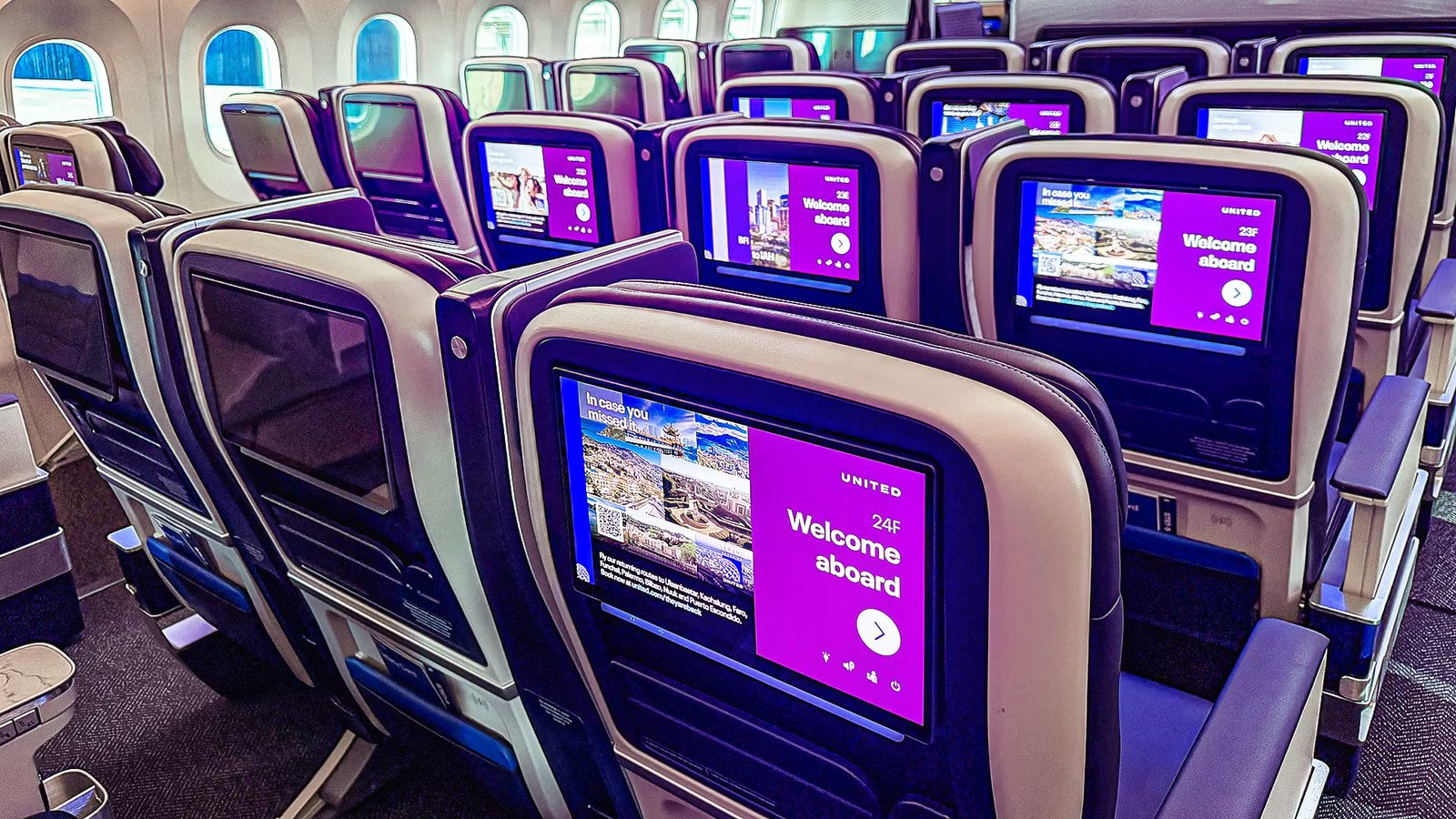
While it is not too common for passengers to receive complimentary operational upgrades from airlines, when it comes to passengers initiating upgrades from their side, by paying cash or utilizing their miles, it becomes a form of art. Depending on the level of knowledge and insight a passenger has into the world of upgrades, one could potentially redeem more value on their upgrades when compared to a passenger who would not have the right knowledge.
This guide is a list of five key points that passengers might not be aware of when it comes to upgrading from the economy cabin to the premium economy cabin.
Not Eligible For Basic Economy Passengers
It is not the case for every airline, but many airlines do lock you out!

According to information published by experts such as The Points Guy (TPG), quite often, airlines will not allow passengers booking the basic economy fare to use cash or points to upgrade to the premium economy cabins. Furthermore, airlines that utilize the upgrade bidding system might also lock out basic economy fare holders from bidding for upgrades.
It is worth noting that the above points are valid for passengers even with the highest loyalty tier with the airline. These carriers include airlines such as  Lufthansa and
  British Airways in Europe and all three major US carriers –
  American Airlines,
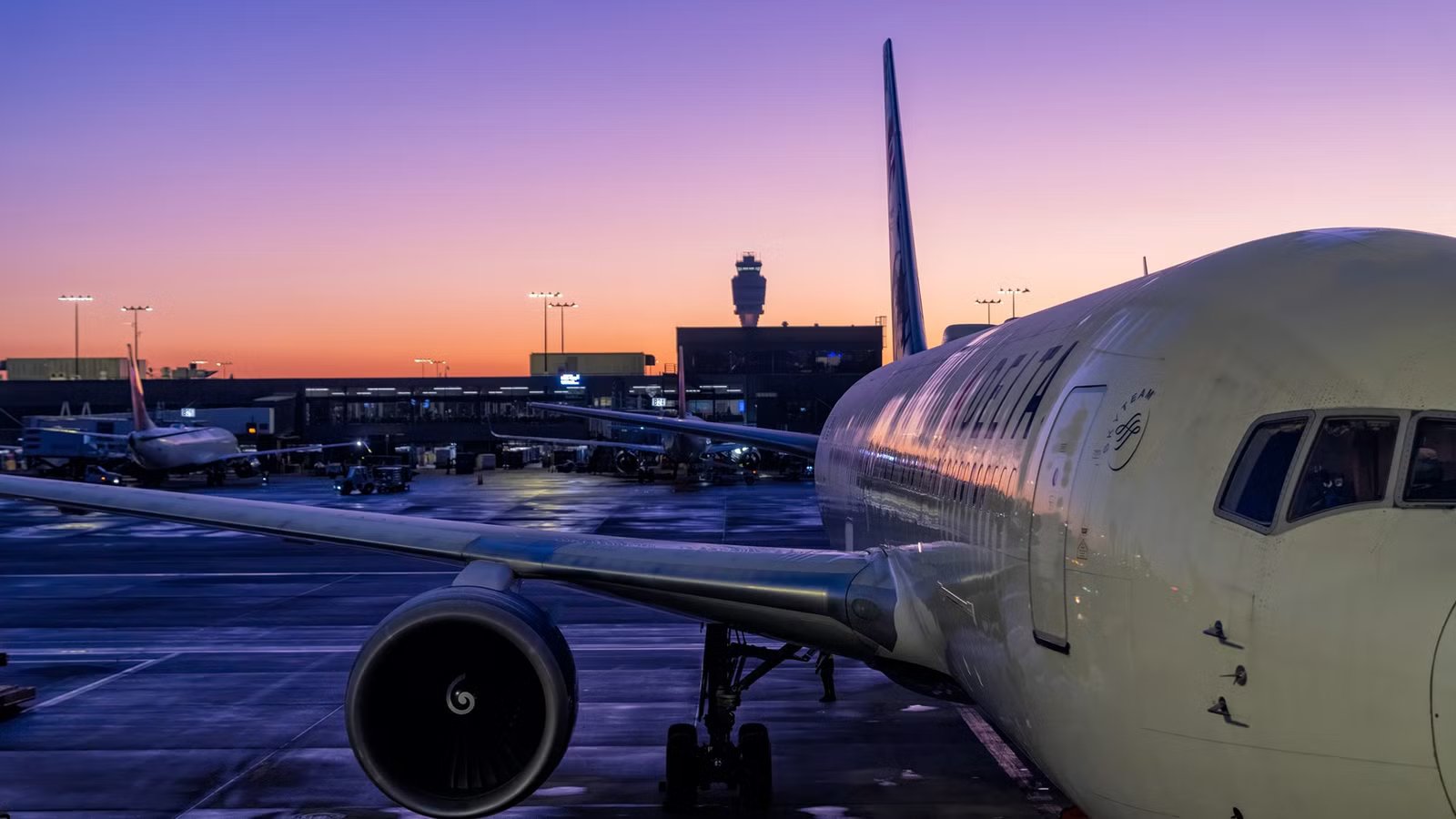
  Delta Air Lines, and United Airlines. That being said, United does allow basic economy fare travelers to purchase Economy Plus at check-in, but these passengers would not be able to access upgrades to other cabins.
For context, “basic economy fares” are seats sold by the airline at a reduced price, wherein a number of services and amenities would be unbundled from the fare (even on full-service carriers), thus warranting the reduced costs. The unbundled fares would typically be highly restricted in terms of ticket flexibility; they generally do not include the passenger’s luggage allowance, and often will not have any ability to accrue points or miles from a flight.
On the other hand, there are some airlines that do offer upgrade options to even their basic fare passengers. In the case of  Singapore Airlines, basic fare holders do have access to certain paid upgrade options, while
  Emirates offers upgrade options to all its economy passengers, but only directly to business class, and therefore locking out upgrade access to premium economy.
Psychology Of Bidding For Upgrades
Airlines will utilize indicators to prompt passengers for higher bids.

Bidding for upgrades usually works with the carrier inviting eligible passengers to place a bid for an upgrade if they are interested in doing so. The airline places a minimum and maximum value within which the passengers can place an upgrade bid, and passengers need only pay the cost of the bid if they end up winning the bid.
However, quite often, airlines provide an indicator for how strong a bid is, giving an indication as to how likely the bid placed within the price range would be accepted, because passengers cannot view what the highest bid is. Keeping that in mind, sometimes, airlines reportedly indicate any bid placed within the lower majority of the assigned bid range as “weak”, to prompt passengers to increase their bids on upgrades.
Additionally, TPG reports that sometimes the higher ranges of the bid may exceed the outright cost of redeeming a cash upgrade for a premium economy seat. Therefore, it is always best for passengers to do their own math before booking tickets or placing upgrade bids. On the other end of the spectrum, it is also possible that airlines will accept lower bids if a particular flight does not receive sufficient bids.
A commonly recommended solution is to place a bid that is just over the minimum price, which would place the passenger at an advantage over passengers who only place the minimum amount. After that, it is entirely up to the various bids placed by passengers on the particular flight and the number of seats available in the cabin.
Dynamic And Personalized Pricing
There are concerns in the industry that airlines might start utilizing AI to offer personalized fares.

While the concept of dynamic pricing is nothing new in the airline industry, it does play a significant role in how airlines sell their seats. While dynamic pricing involves the use of real-time airline data analytics in considering factors such as the number of seats remaining, how close the prices are being viewed to the date of departure, and historic load factor trends, these data points are also used when offering upgrade fares to passengers.
In the case of the economy passengers upgrading to premium economy, the price suggested would be based on the load factors of both cabins, the number of seats of various price brackets sold across the two cabins, market competition, historical demand data on how well the airline can usually sell its premium economy seats directly, and how close to the departure date it is. Another layer of personalization is added to the upgrade price depending on the airline’s access to passenger data.
This includes data such as the purchase behavior of frequent flyers, and even customers’ activity data, which shows the frequency with which a particular itinerary has been looked up, or the number of times the seat map for a flight has been accessed. This is similar to airlines sending their account holders a customized follow-up email or notifications regarding a particular itinerary which the customer might have viewed via the airline’s mobile app or website, when logged into their airline account.
How Airline Ticket Pricing Works
Dictated by algorithms and passenger demand, ticket prices are subject to sudden spikes and falls.
Loyalty Status Over Cash
Passengers with a higher loyalty status/tier get the advantage.

When considering an airline-initiated operational upgrade (usually at the gate), however, airline loyalty (especially higher tiers) is valued over any cash upgrade or bid to move up to a premium cabin. As stated above, some airlines do not consider economy passengers in the lower fare brackets for operational upgrade, regardless of their status. Beyond that, airlines always prefer to issue complimentary upgrades to their most loyal customers as a way of showing appreciation, but also retaining loyalty among their passengers.
For a better understanding, an operational upgrade, in its simplest terms, is a complimentary upgrade initiated by the airline to meet operational needs. This can include examples such as passengers in an overbooked economy cabin being offered free upgrades to premium economy or business class. Because ultimately, in such situations, it is better for the airline to offer free upgrades for the additional passengers rather than offload the passengers and move them to another flight, as this could trigger expensive compensation and other related charges.
While it is not a metric that can be measured like many others, the airline’s goodwill is an important metric for many premium airlines, and rewarding passengers with complimentary upgrades (or other services) is a way for operators to boost their goodwill and reputation. Furthermore, this is also why many airlines often offer status match, as this is a tactic to try and persuade their competitors’ loyal customers to shift allegiances.
That being said, in the event that there are no eligible passengers with high-enough loyalty status, the airline will prioritize passengers who purchased tickets under higher-fare brackets for operational upgrades. This is usually followed by the carrier prioritizing customers who utilize the airline’s co-branded credit cards over passengers who purchased lower-fare or discounted fare tickets. Much like an airline’s loyalty tiers, the tier of their co-branded credit card being used is also a factor that airlines take into account.

5 US Airline Credit Cards You May Not Have Heard Of
These credit cards often fall under the radar.
Upgrades (Usually) Work One Cabin At A Time
Depending on the cabins offered, passengers can usually only upgrade to the next cabin.

In most cases, passengers can only initiate an upgrade to the next cabin within the hierarchy of cabin classes the airline offers (or that which is available onboard the aircraft). For example, a passenger traveling in economy can only be upgraded to premium economy or business class if the aircraft does not have a premium economy cabin. Simultaneously, a premium economy passenger can only purchase or redeem points to upgrade to business class and not first class.
Furthermore, in the event that an economy passenger wishes to upgrade to premium economy, but the cabin is full, there are two possible scenarios. One being the airline refusing the upgrade to the premium economy cabin, or the second being accepting the upgrade, and allocating the passenger a new seat within the premium economy cabin, while simultaneously upgrading a premium economy passenger to business class. This will be entirely up to the airline’s discretion, but it is likely that the passenger chosen to be moved to business class will be based on their loyalty status or their original ticket’s fare brackets.
Again, this can vary if the airline has operational reasons to upgrade the passenger out of order of the cabin class hierarchy. While this is rare, it is possible, as it is entirely at the airline’s discretion and operational needs. Another exception to this rule is, as mentioned above, the case of Emirates, where the airline offers the option for economy class passengers to upgrade to only business class, even on flights that have a premium economy cabin.
Catch what other trackers miss
Emergency squawks, holds, NOTAMs — live signals, no signup.
Open tracker
Catch what other trackers miss
Emergency squawks, holds, NOTAMs — live signals, no signup.
Open tracker